

SOMATHERAPY
SomaTherapy
Fascia-Focused Therapy for Lasting Relief & Better Movement
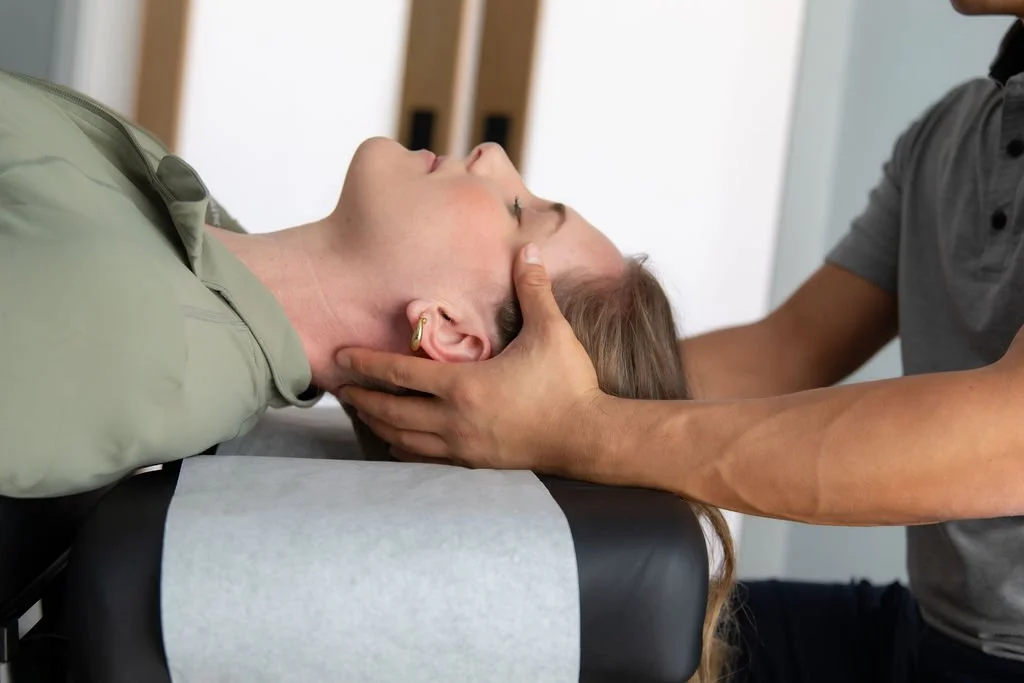
SomaTherapy is a manual therapy approach designed to restore how the body organizes tension and movement — starting with the fascial system and the fluids that support it.
Instead of forcing joints to move, SomaTherapy uses precise techniques that:
improve circulation and lymphatic drainage
restore glide between layers of fascia
reduce unnecessary tension in overloaded structures
rebalance how your body distributes stress
The result:
👉 less pain, better mobility, and fewer flare-ups.
The fundamental techniques that make up SomaTherapy:
Osteo-Articular Pumping: Encourage fluid flow so tissues can recover and adapt.
Fascial Normalization: improve the glide by focusing on the Primary Respiratory Mechanism.
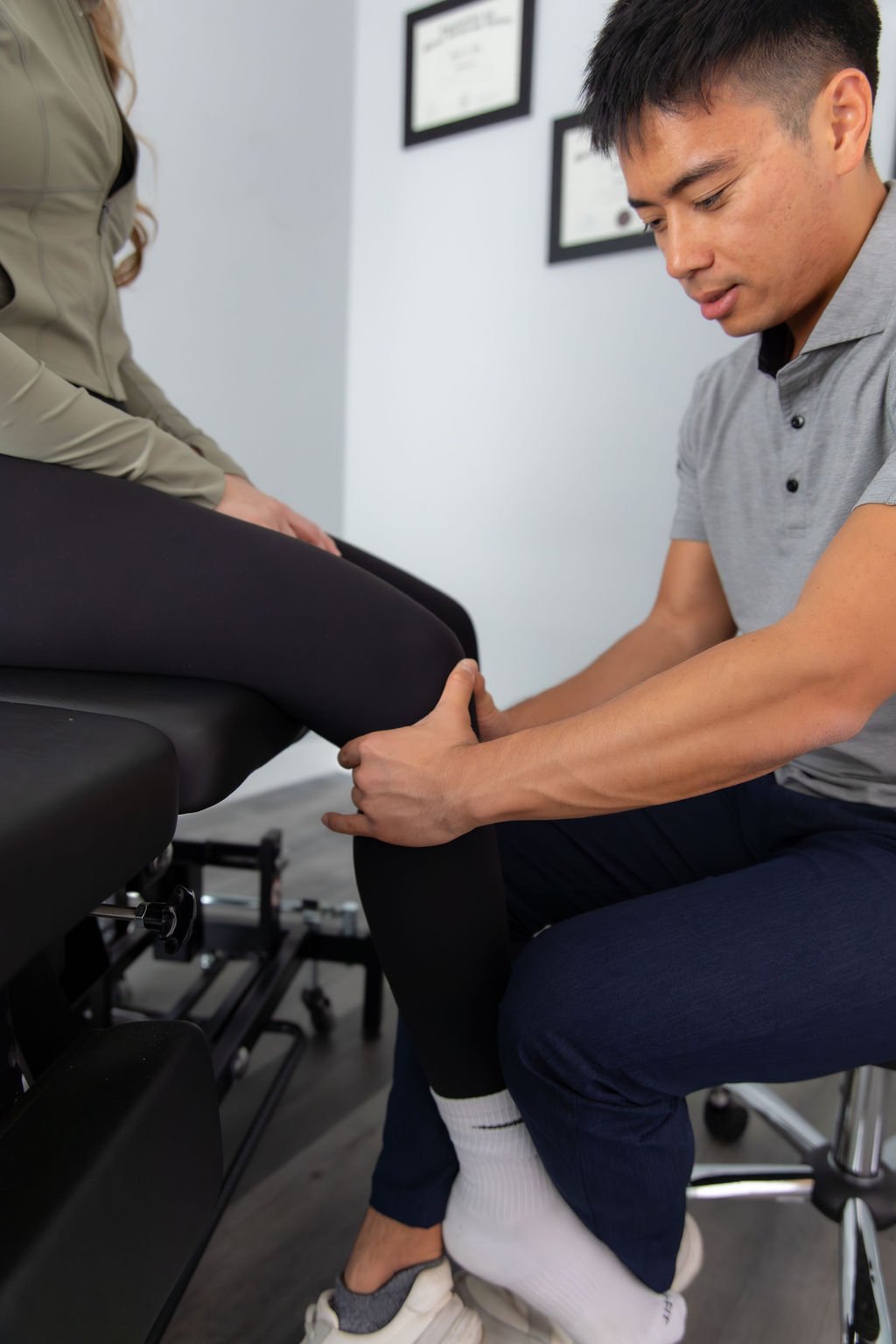
2TLS: Targeted stretching of specific tendons and ligaments to support healing and to prepare for adjustments of joints.
Why People Choose SomaTherapy
✔
Fewer Flare-Ups
✔
Faster Recovery
✔
Results That LAst


OSTEO-ARTICULAR PUMPING
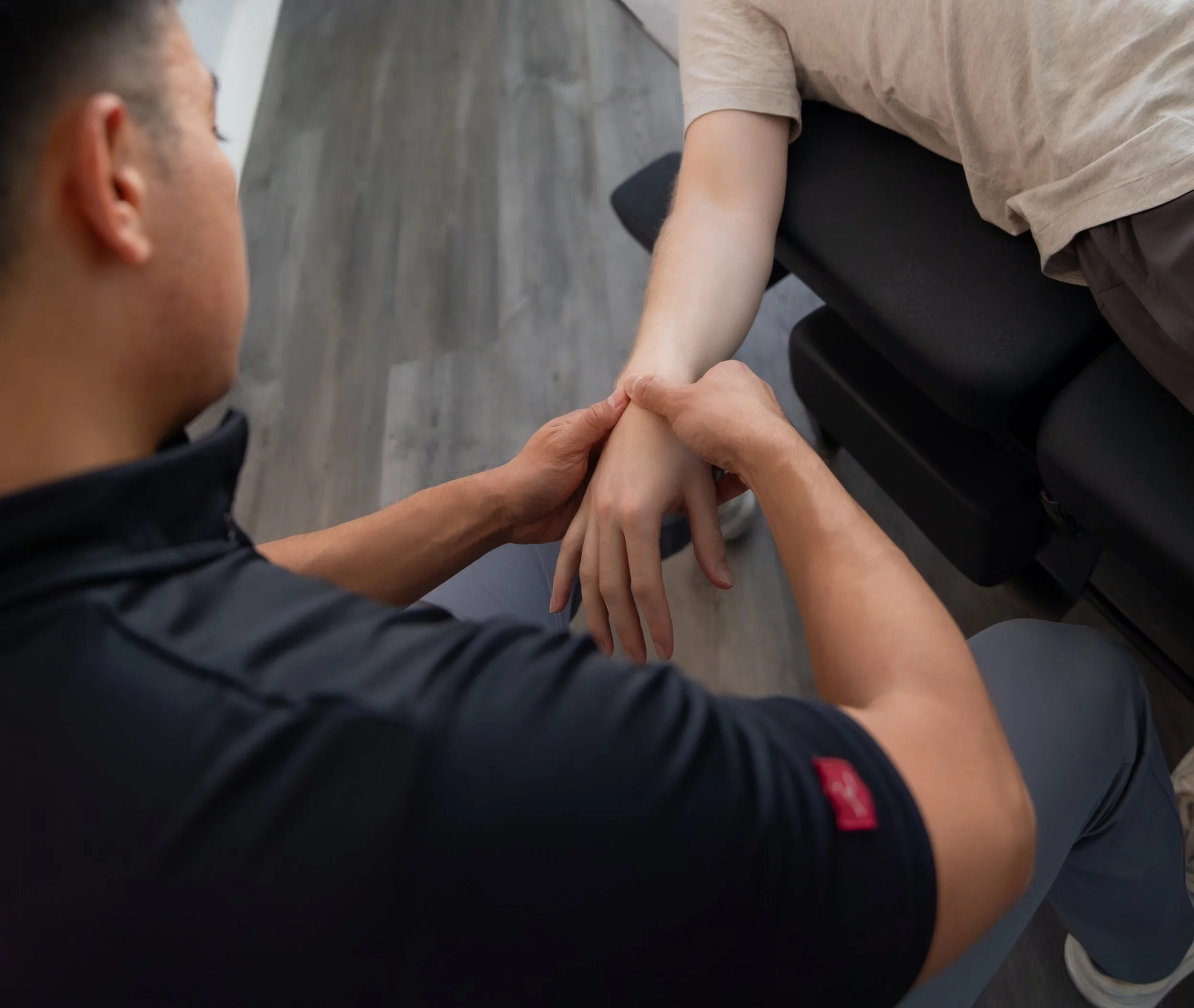
The primary goal of Osteo-Articular (Joint) Pumping is to facilitate the movement of water within the joint complex.
This includes:
• Synovial fluid inside the joint
• Water within the collagen tubes of ligaments and tendons
• Fluid within bursae
• Lymphatic circulation surrounding the joint
Joint health is fluid health.
When fluid becomes stagnant — whether from injury, inflammation, or chronic restriction — mobility decreases, tension increases, and pain patterns persist.
Why Fluid Movement Matters
By regulating fluid flow, Osteo-Articular Pumping assists the body in managing:
✔ Acute inflammation
✔ Chronic joint tightness
✔ Stagnation within the joint capsule
✔ Protective muscle guarding
✔ Reduced mobility and functionality
Instead of forcing motion, this technique restores the internal environment of the joint — allowing it to function more efficiently.
When fluid dynamics are restored, the joint becomes more adaptable, more resilient, and more responsive to corrective exercise and strengthening.
Acute vs. Chronic Presentation
In acute inflammation:
Joint pumping helps support the body’s natural inflammatory process by encouraging proper fluid exchange and reducing intra-articular pressure.
In chronically painful, tight joints:
It mobilizes stagnated fluid, improves tissue glide, and restores mechanical efficiency — leading to improved mobility and functional capacity.
At G3 Chiro
We use Osteo-Articular Pumping as part of a structured plan to:
Restore motion.
Improve resilience.
Support long-term performance.
Because a joint that moves fluid well, functions well.

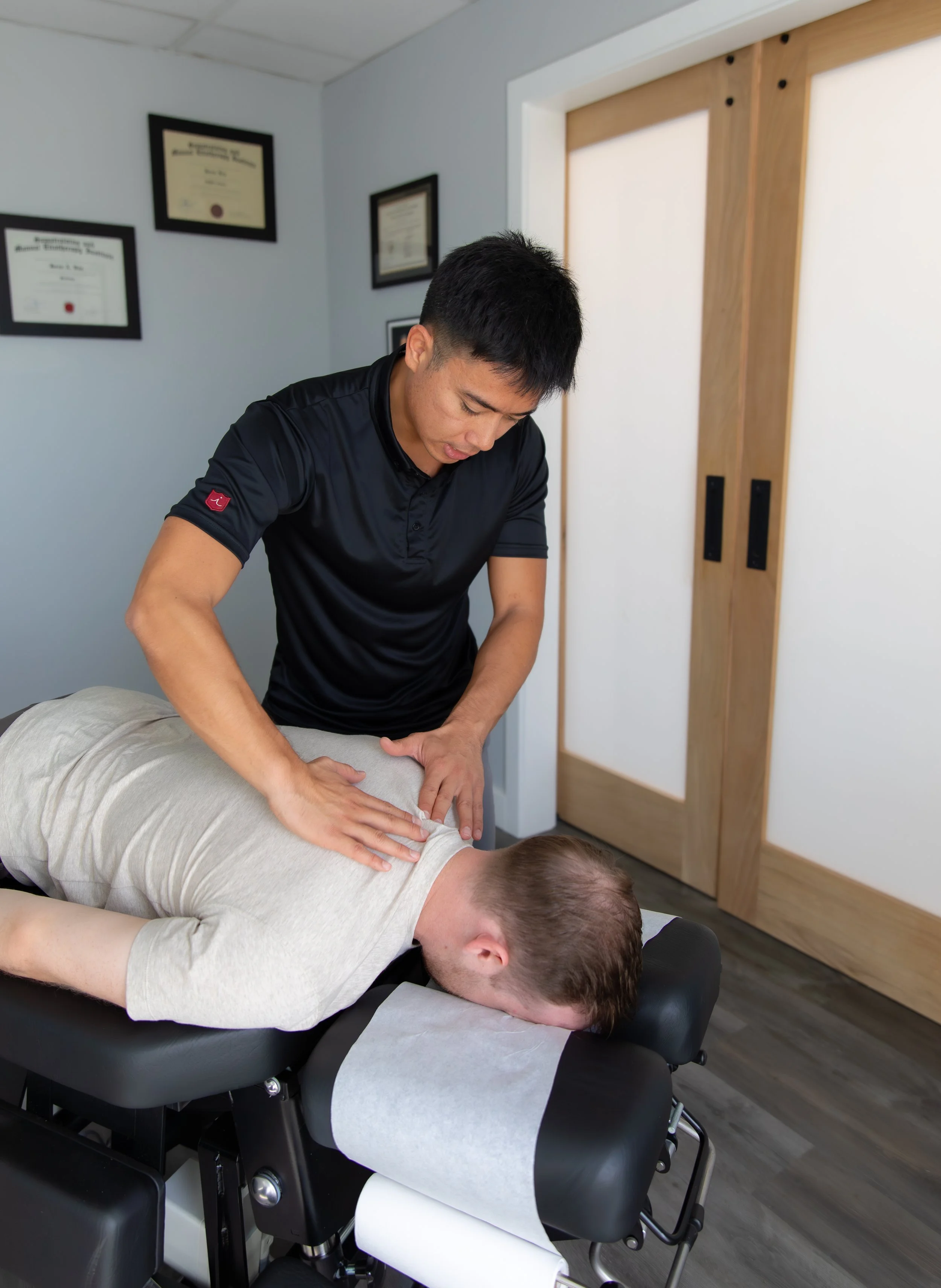
FASCIAL NORMALIZATION
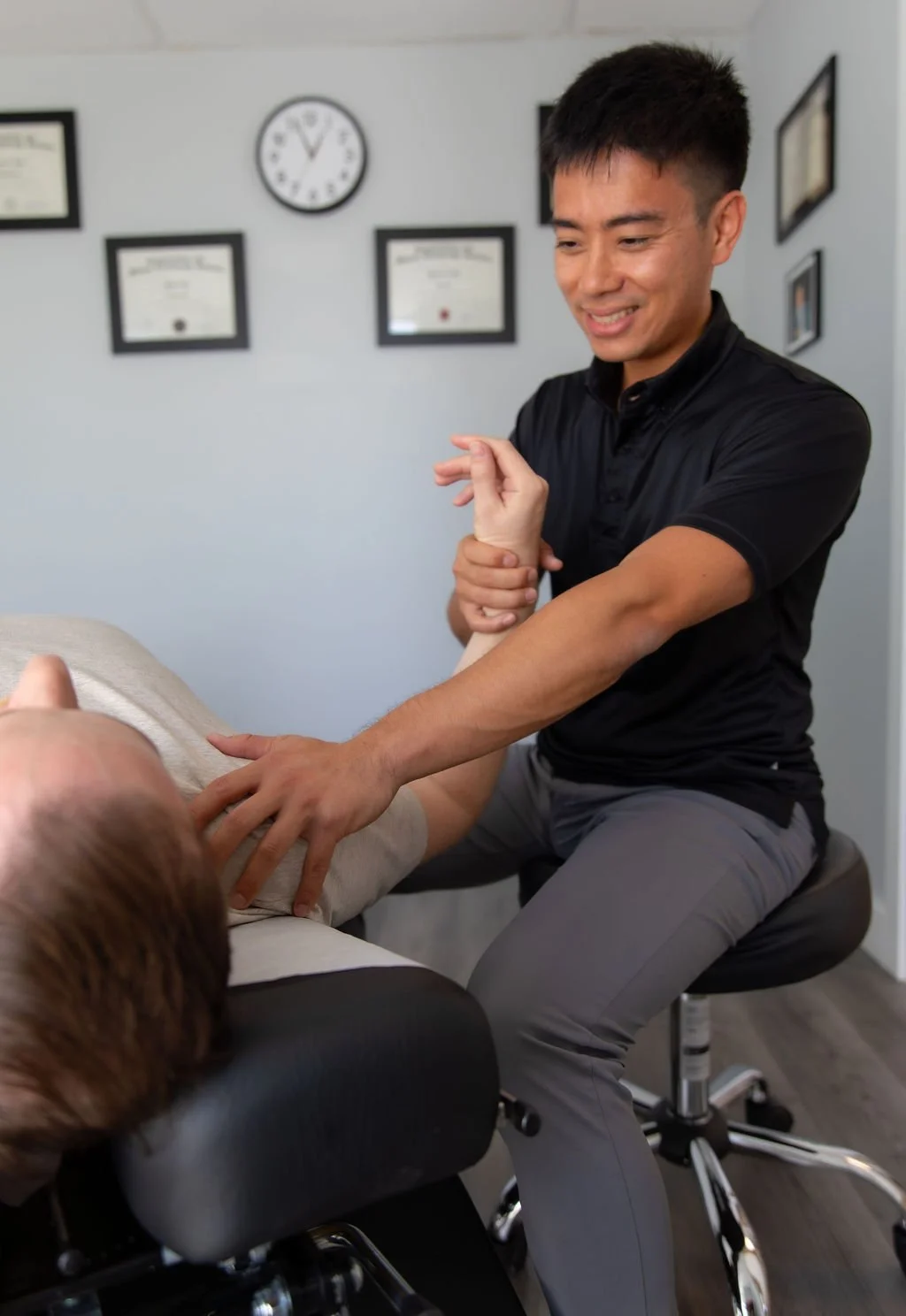
Fascial Normalization focuses on improving the intrinsic quality of the fasciae — not just releasing surface tension, but restoring the internal mechanics of connective tissue.
Rather than treating symptoms in isolation, we analyze and address fascial chains throughout the body.
Understanding Fascial Chains
Fascial chains can include:
Direct links: A traceable continuity of the same fascial tissue extending through the kinetic chain.
Indirect links: Tissues that are immediately adjacent (contiguous), where their proximity significantly influences function and load transmission.
Because fascia is continuous, restriction in one area can influence movement and tension patterns elsewhere.
We assess these chains analytically, breaking them down into their components to restore balance within the system.
The Role of Water in Fascial Health
The extracellular matrix of fascia is dynamic and fluid-based.
Water is constantly being linked and unlinked to:
• Glycosaminoglycans (GAGs)
• Proteoglycans
This continuous process, often described as the transition between GEL and SOL states, represents the binding and unbinding of free and bound water.
This fluid exchange is fundamental not only for the health of the fasciae, but for the health of the body as a whole.
When this process is disrupted:
• Tissue glide decreases
• Load distribution becomes inefficient
• Tension accumulates
• Movement becomes restricted
When restored:
• Fascial elasticity improves
• Mechanical efficiency increases
• Neuromuscular coordination refines
• Movement becomes more integrated
Why This Matters
Fascia is not passive wrapping tissue.
It is:
• A force transmission system
• A hydration-dependent network
• A sensory organ rich in mechanoreceptors
• A regulator of movement efficiency
Fascial Normalization restores the environment in which movement can occur optimally.
At G3 Chiro
We don’t chase pain.
We restore the quality of tissue.
By addressing both the structural continuity of fascial chains and the fluid dynamics within the extracellular matrix, we help your body move with greater adaptability, resilience, and efficiency.
Because healthy fascia supports healthy motion — and healthy motion supports long-term performance.